Practical articles from San Diego Concrete Contractors on driveways, patios, sidewalks and steps, stamped and decorative concrete, repairs and care — plus planning tips for homeowners and businesses in San Diego County.
Concrete can usually take light foot traffic after about 24 hours, heavier loads after 48 hours and vehicles after 3 to 7 days; it is considered fully cured after about 28 days.
Start with proper installation, reinforcement and control joints, cure the concrete correctly, avoid heavy loads, clean and seal it regularly, guard against freeze-thaw damage where winters…
Wear proper protective equipment, work with good ventilation and dust control, handle cement and chemicals carefully, use safe lifting techniques and mechanical aids, and guard against…
Clean and repair the surface, add decorative finishes such as stamping or staining, bring in outdoor furniture and lighting, add plants and greenery, and install a…
Fill cracks promptly when they are wider than about 1/8 inch, let water in, keep spreading or widening, create trip hazards, or detract from your property's…
Resurfacing refreshes the patio's look, extends its life, costs less than full replacement, removes trip hazards, and is more eco-friendly than tearing out the slab.
Plan the design thoughtfully, choose the right finish (polished, stained, stamped or textured), prepare the surface properly, invest in quality sealing, and understand the maintenance each…
Without demolishing the old slab, you can apply a concrete overlay, use a stamped overlay, acid-stain the surface, install interlocking pavers, or lay outdoor tile over…
Concrete stands up to heavy traffic, needs little maintenance, improves safety and visibility, is considered environmentally friendly, and offers long-term cost savings despite a higher initial…
Try low-pressure washing, a chemical stain remover, baking soda and vinegar, hydrogen peroxide mixed with powdered laundry detergent for organic stains, or oxygen bleach, then scrub…
Plan your design, choose the right finish or sealer, keep up with cleaning and resealing, work with experienced professionals, and consider eco-friendly options such as recycled…
Watch for cracks and potholes, surface scaling or spalling, fading and discoloration, uneven settling, and water pooling that shows the driveway has lost its drainage slope.
Plan the design carefully, prepare a compacted gravel base with reinforcement, choose the right concrete mix, add a non-slip finish and cure the concrete properly, and…
Read article
Quick answers
Common concrete questions, answered.
Short answers from our articles. Open an article for the full explanation.
Wear proper protective equipment, work with good ventilation and dust control, handle cement and chemicals carefully, use safe lifting techniques and mechanical aids, and guard against slips on wet concrete.
Assess the damage, decide on DIY or professional work and check local rules, resurface by cleaning, patching and applying resurfacer, maintain it with regular checks and crack filling, and replace it when damage is extensive or structural.
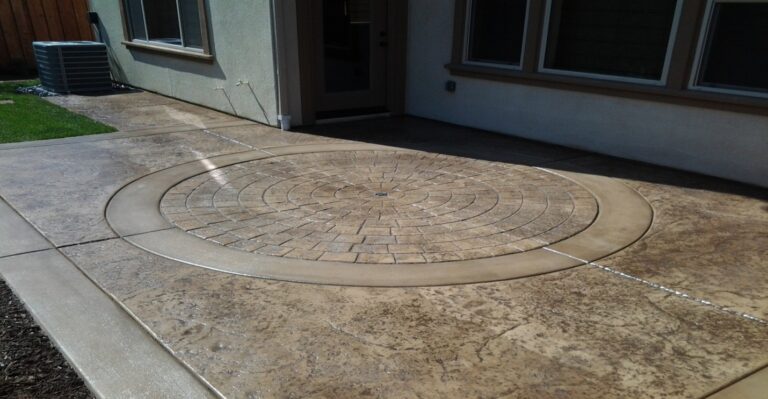
Design ideas include stamped patterns that mimic brick, stone or wood, integral coloring, acid or water-based stains, and textured finishes such as exposed aggregate or broom finishing.
Assess the floor for cracks and moisture, choose a suitable overlay, pick trending looks, patterns or colors, clean and prime the surface before coating, and then seal and clean it regularly.
Gather the right supplies, rinse and scrub with a mild detergent, treat specific stains with vinegar, baking soda or targeted cleaners, pressure wash (hot water helps with grease), and seal the surface.
Concrete is durable and long-lasting, helps with energy efficiency through its thermal mass, offers design versatility, needs little maintenance, and can increase a home’s property value.
Services
Ready to plan your project?
Start from the type of property, or see every service we offer.